Thomas Test – Applications in Baseball
This video is an excellent explanation of the Thomas Test as used by physical therapists around the world:
httpv://www.youtube.com/watch?v=9PLXyShrNDc
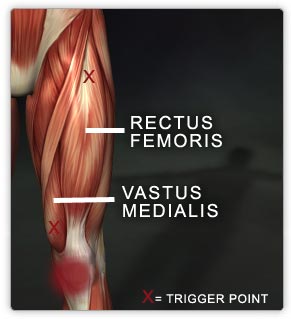
We will often perform this test on clients over the age of 16. While it is traditionally used to test for a fixed flexion deformity of the hip (and we do check for this), we use it with baseball players to test for a tight rectus femoris because of the single-leg dominance that occurs on the pitcher’s stride leg. (For an RHP, this is their left leg.)
During the lead leg block phase of pitching, the stride leg straightens very quickly and bears all the weight of the pitcher’s body. To get to that point, the pitcher will have used his posting leg hip adductors to stride sideways and closed to the target. If this sounds like a muscle imbalance and problems waiting to happen, you’re right!
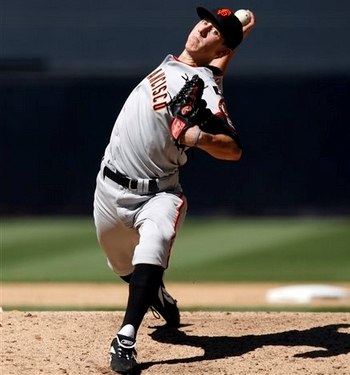
The pitching motion typically causes tight hip flexors (moreso in the posting leg) and a tight rectus femoris in the stride leg. As a general rule, tight hip flexors mean weak glutes, which can cause postural problems and lowered power output in exercises like the squat. It can also cause diminished velocity, susceptibility to injury, and general discomfort. These problems are often exacerbated by the fact that many kids and adults spend most of their day sitting down – either at a desk in class or in a chair in front of a keyboard at work!
The Thomas Test helps identify which leg has deficiencies and to what degree they exist. We teach Self-Myofascial Release (SMR) at Driveline Baseball to help people loosen their hip flexors, regain strength in their glutes, and relax the fascia in various places in the body (a lengthier post on this subject is coming later).
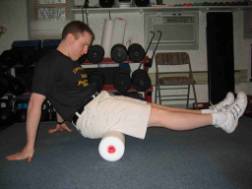 Does your baseball coach understand the usefulness of foam rolling? Does he understand the differences between the stride and posting leg actions causing muscle imbalances? Does he know how to correct for it and also integrate SMR work in a good training program? If not, check us out for a cheap initial screening and analysis at our Training page. $25 gets you a session to check for muscle imbalances and postural problems as well as a personalized workout plan and how you can add some serious velocity to your fastball and stay healthy while doing so!
Comment section
Add a Comment
You must be logged in to post a comment.
Professional Sports Star -
One thing that needs to be constantly checked is the hip action during the stride phase of the pitching delivery. Most pitchers will either open their hips too early, or they don’t open their hips at all.