
Archive for September, 2010

This Week in Workouts: 9/26/10

Here’s a few videos from our YouTube channel that show what we’re all about!

Some light back squats (365 lbs) done by yours truly:


Short medball rotational throws by Jack:


Chin-ups in the power cage by Eli:


And everyone’s favorite conditioning exercise, the sled push/pull cycle:


Come train with us and become the best athlete you can be! Slots filling up fast in our semi-private training groups, so don’t delay!

, , , , , ,

No Comments

Matt Antonelli: There’s No Magic Potion

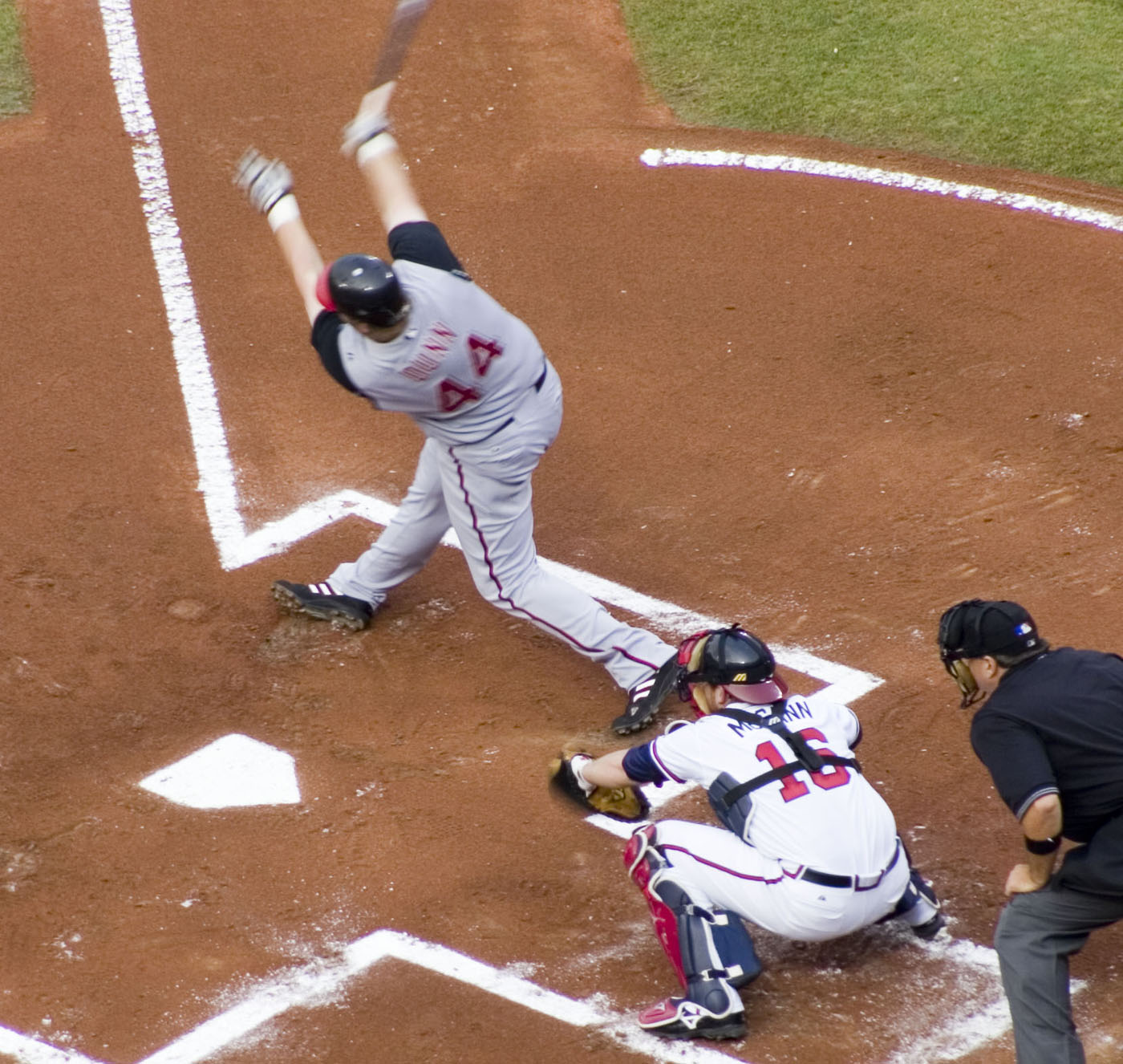
Matt Antonelli, second baseman for the San Diego Padres currently rehabbing his broken wrist, has been doing some video blogs on YouTube. Most aren’t about baseball, but his latest one resonated with me very well. He talks about the “one thing” that people are asking about that makes them throw harder, hit more home runs, run faster, or generally be a better player. Matt’s message is simple: There is no one thing that makes you an elite baseball player, and asking that question is counterproductive.

It’s all about hard work, he says, and “usually, it comes down to who works harder.”

On hard work:

“Some guys take ten ground balls and think they work hard that day, and some take one thousand ground balls and feel like they haven’t worked enough. Try to work harder than everyone else on your team… I think that will work.”

On consistency:

“Consistency… it’s a bunch of ‘one things’ throughout your entire life. It’s a marathon, not a sprint. I’m not Alex Rodriguez, but I’m trying to get there… there was no one thing that got me drafted.”


Just an excellent video, and it’s our message too at Driveline Baseball. Semi-private training involves showing up every day and being there for your workout partners. Join us today.

, ,

1 Comment

MLB Training vs. The Rest of Us

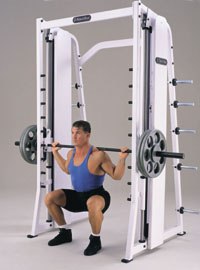
Search YouTube for “MLB weight room training” and you’ll find plenty of gems – guys using the Smith machine for squatting, Hammer Strength incline pressing machines, and BOSU Balls being used in ways I can’t even describe. And believe it or not, these guys are often professional baseball players! And so the average person thinks that this is the way to get strong and to make it in the majors – use the machines at the 24 Hour Fitness and you too can throw 90 MPH!

Smith Machine

Popular in MLB Weight Rooms - Wait, What?

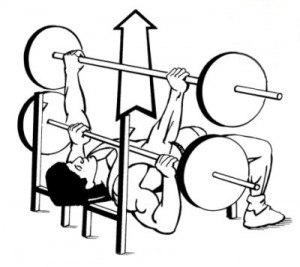
Hopefully you realize that this is quite ridiculous. Smith machines, BOSU Balls, and fixed-motion machines are all inferior to simple free weight training with barbells, dumbbells, medicine balls, plyometric boxes, and other types of implements that use compound movements to develop strength, speed, and power.

So why do professional players use these ridiculous machines? A big reason is “safety.” Guys who can throw 90 MPH, hit 40 jacks per year, or run a 4.6 40 tend to be treated like babies when they get into a professional system – especially if the team paid big bonus money to them. Remember Trevor Bauer and his “javelin?” Nomar Garciaparra was poking fun at Trevor, saying that his unorthodox training methods would have to go by the wayside when he became a professional baseball player. This type of thinking is pervasive in professional baseball, and it’s quite honestly a shame. Trevor Bauer trained his butt off to be able to throw as hard as he did, and to be forced to back off in the name of “safety” is absurd.

Want more evidence? Check out this video demonstrating “back squats” as done by players in the Houston Astros system:


Listen to the coach – he says that because some players don’t speak English, they use the Smith machine. It’s “safer.” Well, a few things:

  • The Smith machine is not safer. By translating extraneous movement in the sagittal and coronal planes into “productive” force, you remove all semblance of athletic carryover with the Smith machine. It does not mimic natural human movement whatsoever.
  • Training the glutes is important, and to do so requires going to parallel. I certainly agree. However, Hunter Pence’s squats are not parallel and are not being done with free weights, rendering them all but useless.
  • Players do not speak English very well, and so you stick them on fixed-motion machines that are simple to learn but transfer very little to the baseball diamond. Perhaps instead of making your strength and conditioning program much worse for the sake of non-English speaking players, you could… hire a translator and actually staff your weight rooms throughout various levels of affiliated baseball?

We had a college player in the facility over the weekend who has aspirations of playing pro ball. He’s got fringe velocity and scouts have told him that he needs to pick up 4-7 MPH to get a look. Now, how we approach him will be vastly different than a pro guy who is already at 92-93 MPH, of course. The pro guy needs to stay healthy and build strength in a more conservative manner, while the college player needs an aggressive program that builds power, velocity, and overall athleticism. However, both programs can be written and maintained without the use of machines to replace solid compound movements like back squats, deadlifts, rows, and presses.

If you have elite MLB velocity by virtue of picking the right parents and winning the genetic lottery, then congratulations! If you’re like the rest of us and need to train very hard to make it to the next level, take a look at the Pitching Program options we offer. Winter training starts next week with only five months to go before the HS season begins.

, , , , ,

2 Comments

Welcome Matthew Wagshol!

We’ve officially hired our biomechanics/kinesiology intern: Matthew Wagshol! Thanks to all those who applied. I selected Matthew because of his hands-on experience with baseball athletes, his prior work with mechanical design for lab-related parts, his great academic background, and most of all, his entrepreneurial spirit.

Here’s more about Matthew:

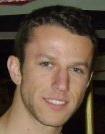
Matthew WagsholMatthew Wagshol recently moved to Seattle after graduating with a B.S. in Mechanical Engineering from the University of Florida in 2010 with a specialization in biomechanics. After years of playing and training for numerous sports, Matthew was determined to be able to apply his engineering knowledge to the sports that he enjoys. He took his first step toward achieving this goal through procuring an internship with the Sports Medicine Research and Development group at RTI Biologics in 2008, where he completed work on the biomechanical properties of tendon and bone allografts. This experience was then supplemented by a research assistantship at the UF Biomechanics and Motion Analysis Lab in 2009, during which he helped with the motion capture and analysis of elite collegiate athletes.

Matthew and I have already begun work on the Driveline Baseball Motion Capture Laboratory – the only one for baseball athletes in the Pacific Northwest! We look forward to sharing our progress with everyone on this blog, so stay tuned for updates!

, , ,

No Comments